
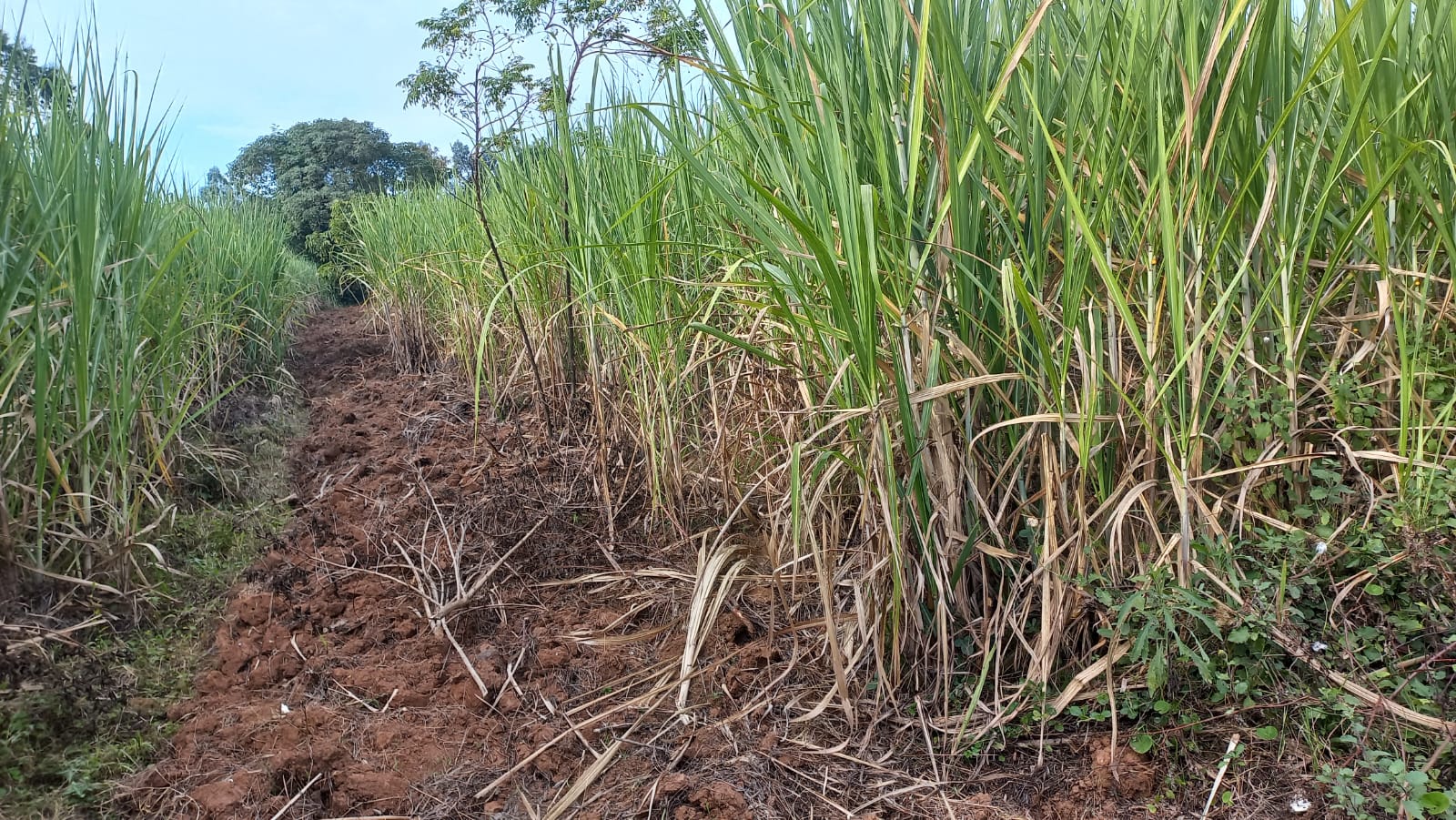
The agricultural sector plays a key role in the social and economic development of the Kenyan population including rural areas of Kenya such as the large scale and small-scale farmers in general. In addition, the sector not only provides Kenya with the opportunity to earn foreign currency through exports but also provides a strategic role in ensuring that the country has enough food to feed its people. To demonstrate this, the Kenya National Bureau of Statistics reports that the quantity of cut-flower exports in January 2022 contributed, KSh 6.50 billion with the value of vegetable exports decreasing from KSh 1,678.40 million to KSh 867.14 million during the same period, (Kenya National Bureau of Statistics, 2022). The sector also has been a major source of employment for some time with women being at the core of the labor market, especially in small-scale agricultural farming. For example, it has been reported that employment in agriculture was estimated at 53.8 percent of the total employment in Kenya in 2020 which was a reduction from a share of at 60.3 percent in 2010, (Kamer, 2022). Though the sector has seen some decline in the contribution to the GDP and while the labor structure has shifted a little in the recent past, the agricultural sector is still perceived to have maintained a significant role in the Kenyan national and specific local county economies.
The advent of digitized agriculture has found its way into Kenya’s agricultural sector with interventions such as the Aggrotech and FinTech initiatives. The fourth agricultural revolution, also known as agriculture 4.0, has evolved into the digitization of the agriculture sector. Agriculture 4.0 encompasses implementing emerging technologies such as biotechnology, big data, the internet of things (IOT) robotics, and artificial intelligence (Nugun, Elizabeth, & Chukwuma, 2021). At the global level, the adoption of precision agriculture and smart farming that entails the conservation of the ecosystem, optimal natural resources, utilization of modern technologies, and development of adequate services has driven the adoption of emerging technologies like artificial intelligence.
Statement of the problem
While technological advancement has brought good tidings in large-scale agricultural farming, it is still unclear how this technological tiding has impacted the productivity at the small-scale farming level within the rural ecosystems which does not have a huge resource base to invest in research and development to be productive at optimal level. Conventional agricultural extension services have been part and parcel of the agricultural services in Kenya where small-scale farmers would get special advice on how to improve crop production among other support in their farming practice. The Conventional agricultural extension services therefore have been a key enabler for the small-scale farmers who would depend on their expertise to increase yields at reduced cost. The advent of digital agriculture extension service has, however, been perceived to threaten this vital service and the small-scale farmers have had to seek other means of getting support. Although agriculture 4.0 has seen several changes in the way agriculture is conducted through the digitization of several practice aspects, the changes have been felt more in large-scale farming and less in small-scale farming if literature is anything to go by. The broader question that this study will attempt to answer, therefore is how this transformation to agriculture 4.0 has affected productivity at the small-scale level. We submit that digitizing agriculture should not only complement the extension services for the small-scale farmers in Kenya but also continue the vision of driving an all-inclusive agricultural revolution including small-scale farming.
Research questions
This study, therefore, aimed to answer the following questions:
- To what extent have the rural-based small-scale farmers adopted digital agricultural extension and advisory services in Kenya?
- To what extent has the shift from conventional to digital extension services impacted the productivity and sustainability of small-scale farming?
The concern of low adoption of ICT solutions in agriculture among small-scale farmers appears to be well documented according to a report by USAID that summarizes the challenges experienced from the approaches to using ICT to enhance farm extension services as 1) that conversion of vast knowledge to searchable digital form, 2) the challenge of getting the right information promptly, 3) the literacy of the end users of the digital services, 4) Little if any information on the impact of such ICT-enabled farm extension services. 5) The inability to ascertain who pays for the digital extension services, and 6) How to solve the challenge of collectively converting the vast amount of information to digital form, (USAID, 2011). Almost ten years later, the same concern has been echoed in recent reports as seen in the article that portrays the level of adoption among farmers and other end-users outside schemes and projects being low, except in the case of mobility and mobile money such as the crop storage facilities and cold chains, mobile networks, affordable smartphones, Wi-Fi, computers, cloud facilities, etc., (Bolwig, Haselip, Strange, Hornum, & Pedersen, 2021). These two scenarios across time provide a motivation for this study. Of key importance is point number four (4) from the USAID report which depicted a lack of information on the impact of the ICT-led initiatives in agriculture on the farm extension service. We tie this concern to a drill-down concern of the impact that these initiatives have on the productivity of the small-scale farmers in Kenya.
This project therefore aims to stimulate the conversation on digitizing agriculture beyond the profitability and efficiency of agriculture at a higher level and move the conversation towards how the small-scale farmers would be incorporated in the bigger benefits of agriculture 4.0 in Kenya.
The feasibility of this project is not in doubt because agriculture has been part and parcel of Kenyan strategic thinking both at the national government level and the county government level. Agriculture provides a pathway to the creation of employment and more importantly, a path for empowering the youth and women and other marginalized persons in the communities. The approach to this study will provide a platform for the successful conduct of this study by adopting a realistic yet comprehensive data collection and analytical approach to the study.
This project, if successful, will not only contribute towards addressing issues to do with labor, home production, and structural transformation at the level of households but also contribute towards providing insights and talking points to issues that touch on agricultural productivity and sectoral gaps especially when looked at small-scale farming perspective.
The project also will be key to contributing towards issues of gender, climate change and the environment, and inequality and inclusion. Small scale farming is predominantly believed to be managed by women who are custodians of household lands and youth. Issues to do with climate change will be addressed since by ensuring that the small-scale farmers get the knowledge that they need, the conversation on climate-friendly approaches to farming will find its way to them as it should. The inclusion and equity themes will also be part of the benefits of this study since the marginalization in terms of knowledge will be addressed thereby removing the potential inequality and exclusion concerns to the knowledge bank that the digitization of agriculture would bring to the small-scale farmers.
The digitization of agriculture is an area that is still undergoing a lot of discovery. This implies that our research will plugin into the curiosity of future researchers from different domains such as those in the economic streams, the gender and inclusion stream, in the climate action streams, and not forgetting those who would be interested in the intersection between ICT and social-economic wellbeing of a population.